Wednesday, January 20, 2021

20 Special and Perfect Gift Ideas for Newborn Baby

” and “The Mixed-Up Chameleon,” these stories will entertain little ones while also teaching them useful lessons about friendship, colors, and body parts. Whether they’ve got a seasonal cold or something worse, kiddos are bound to get sick from time to time. This nasal aspirator is a unique solution for helping clear out a little one’s stuffy nose. (And don’t worry, the hygiene filter blocks the germs from going into the adult’s mouth).

newborn baby gift ideas

Not only are they available in adorable designs, but are also peppy and soothing, which is a sure shot entertainer for the baby. The arrival of a new-born baby is a joyous occasion, not only for the family, but also for friends and relatives. Gifting something to a new-born baby can be a bit confusing, especially for those who don’t have any experience in this field.

Newborn : Baby Gifts

Rather than a traditional memory book, these double-sided cards have a slot for a photograph on one side and space to jot down memories on the reverse. With a card for each month from birth to one year, this is a wonderful way to record the landmark moments in baby’s early life. We selected baby gifts that are easy to use for the recommended age groups, give parents and caregivers a break, and allow babies to explore the world around them safely.

Baby pacifiers and teethers come in different animal characters. A new parent may appreciate having a cot mobile or a play gym, which can engage their baby, while allowing them to do some chores. Baby’s swaddling clothes and baby sheets can be another beneficial gift, as babies tend to make a lot of mess. Hide your iPhone and allow baby to explore a "gadget" by playing with this cell phone. It features a selfie mirror, "filters," and baby-friendly sounds. This impossibly cute onesie features 100% recycled polyester and foldover mittens and feet to keep your baby looking photo-ready yet warm.

Familiar Faces Toys Circles Peekaboo Puzzle

What’s better than providing the new baby with a cute pink bib? That way while one or more is in the wash, you know she’ll have an extra to use during meal times. Just make sure the mom takes plenty of pictures while she’s wearing it. This baby box is full of a few key baby supplies to help your loved one with her introduction to motherhood.

newborn baby gift ideas

Recommended for babies ages 6 months old and up, these vibrant stacking rings feature different textures and weights. The set includes nine pieces, all made from plastic, that stack in any order. Plus, the clear ring features colorful beads for baby to shake, rattle, and roll. Create a custom baby board book that little ones can enjoy now, and cherish for the years to come. Select from a variety of page options and themes, such as people or places, and then start designing.

BabyBriefcase Paperwork Organizer

It’s white with gingham trim, which is available in multiple colors. For an extra personal touch, you can customize the towel with the baby’s monogram or first name, although personalization does cost another $15. Introduce a new baby to iconic figures in history through the lens of the abolitionist movement, civil rights, women’s rights, and more. Get their little library started off right with this thoughtfully illustrated and colorful board book that parents will enjoy reading to their little ones for years to come. ” is a repeated refrain, which is always fun for toddler and babies to yell.

newborn baby gift ideas

These collaborations allow us to provide you with the most accurate, up-to-date, and comprehensive information available. Personalized frame to help highlight this important chapter of life with our selection of designs and sizes. UP TO 50% OFF THE GREAT GIFTING EVENT Save on select toys, Nod chairs, stockings, sleeping bags, pajamas and more. Verywell Family content is rigorously reviewed by a team of qualified and experienced fact checkers. Fact checkers review articles for factual accuracy, relevance, and timeliness. We rely on the most current and reputable sources, which are cited in the text and listed at the bottom of each article.

Personalized Story Book

How about this tropical print outdoor blanket from Little Unicorn? The water-resistant quilt is perfect for beach days and picnic outings and large enough to fit two adults and a baby with some room to roam. It folds into itself for easy transport and is machine-washable too, making it a great baby gift for families on the go. Crafty and DIY-minded parents will adore a baby gift like this erasable chalkboard.

Verywell Family's content is for informational and educational purposes only. Our website is not intended to be a substitute for professional medical advice, diagnosis, or treatment. Should you have any concerns about your health, or of that of your baby or child, please consult with your doctor. You also acknowledge that owing to the limited nature of communication possible on interactive elements on the site, any assistance, or response you receive is provided by the author alone. Parenting.Firstcry.com accepts no liability for any errors, omissions or misrepresentations. Your use of this site indicates your agreement to be bound by the Terms of Use.

No!: My First Book of Protest

The nail trimmer is quiet and has a light, so there’s no second-guessing on where you’re cutting. It even comes with a file head attachment for adults so parents can use it, too. Perfect for playtime and tummy time, this blanket is sure to become a cozy favorite for years to come. Measuring 47 x 47 inches, the blanket is a handy size for little ones.

newborn baby gift ideas

If you’re still not sure what to buy, a sentimental or personalized gift to mark the occasion may be just right. When considering products, we evaluated safety, design, materials, usefulness, and age recommendations. Last up on our list of the best baby gifts is this set by Estella. Inspired by the Big Apple, this nine-piece bundle includes rattles, onesies, a book and a plush toy, all made using organic cotton. Trust us, parents will love this present whether they’re a seasoned New Yorker or first time visitor.

Welcome a new baby home with a gift set that covers everything a little one will need. It includes diapers, wipes, shampoo, body wash, diaper cream, and more. Bean tote that’s personalized with a new baby’s name can be used as a spacious diaper bag, beach bag, sleepover bag, or everyday tote. If you’re local, fill the tote with a homemade meal for a special gift for the tired new parents.

Featuring Aquaphor’s Baby Healing Ointment, Baby 3-in-1 Diaper Rash Cream, Baby Wash & Shampoo, and a 28-pack of WaterWipes, this gift set will help keep baby’s skin soft and hydrated. The set also comes in a canvas basket for easy storage in the bathroom or by the changing table. Frequent travelers may want to use a different storage container, however, as the basket doesn’t have a lid. With its unique snug-fitting design, this swaddle allows new babies to sleep in an arms-up position. With enough room for slight movement, they can self-soothe while still keeping their little hands covered.

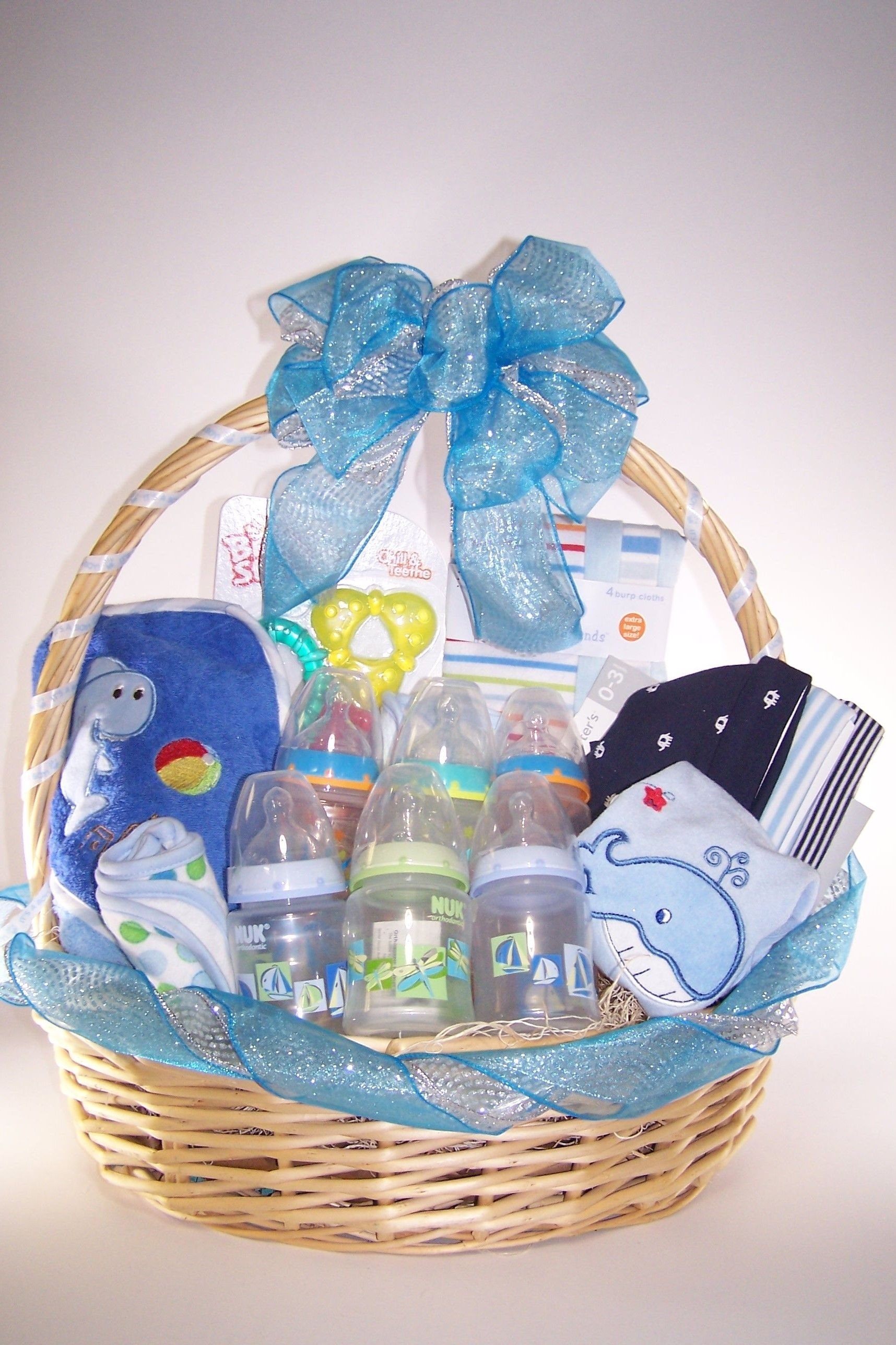
Newborn : Baby Gifts & Baby Shower Gift Ideas: Target

The book is made with thick, durable pages to withstand tiny hands, too. Simply enter a name, and the site creates a custom piece of art with the history and traits of that name. With a variety of print, font, and frame options, the art becomes a unique gift with custom text like birth date, birthplace, or anything else. Choose from tons of patterns and styles to mix and match for any baby. The super-soft bib absorbs drool, food spills, spit-up, or anything else.

From adorable onesies to tiny toys and trinkets, browse our picks of the most precious presents for little ones. With everything from laundry detergent, sunscreen, diapers, and more, a gift card is sure to be quickly used and appreciated. Particularly in homes where sink and countertop space is tight, this vertical drying rack is a super-helpful gift. It can hold several bottles and lids at once without dominating the counter, and it has removable (dishwasher-safe) trays to make room for valves, pacifiers, and more. An article attributed to "Real Simple Editors" indicates a collaborative effort from our in-house team. Sometimes, several writers and editors have contributed to an article over the years.

Baby Shusher The Sleep Miracle Sound Machine

The swing has five adjustable speeds that mimic the movements of real-life caregivers to soothe cranky babies. It’s the perfect piece of baby gear to help parents get some things done around the house (at least, for a few minutes!). It’s fun and entertaining and offers a safe space for tummy time and overhead play. This pick by Skip Hop engages baby’s senses with over 17 developmental activities. The best baby gifts for new parents are often the most unexpected.

newborn baby gift ideas

Verywell Family articles are reviewed by board-certified physicians and family healthcare professionals. Medical Reviewers confirm the content is thorough and accurate, reflecting the latest evidence-based research. Content is reviewed before publication and upon substantial updates. Maya has more than 15 years of experience in digital media and communications and specializes in writing about family, food, and lifestyles. And while nothing could compare to the gift of your presence, the perfect gift can be a memorable way to welcome the little one to the world—and to the family. New parents can find comforting their baby to be quite a task.

SkipHop ABC & ME Activity Gym

Help baby build important brain connections as they begin to explore the world around them with this Montessori-inspired play kit. Designed by child-development experts, each play kit from Lovevery is created to meet baby’s growing needs through play with simple, beautiful toys. The kit also comes with a Play Guide for parents with tips on encouraging curiosity, exploration and engaging baby’s senses right from the start. Welcome baby to the world with a perfect, thoughtful newborn gift. A one in all diaper bag, which can accommodate disposable diapers, tissues or baby wipes, a changing mat, diaper rash cream, and a sanitizer, can be a handy gift for the new mom. Traditionally, gifting silver items to the newborn baby is considered auspicious, as silver metal has several health benefits.

newborn baby gift ideas

For a budget-friendly gift, we suggest the Manhattan Toy Winkel Rattle & Sensory Teether Toy. New moms can never have enough onesies—and this pretty pack of 10 organic cotton onesies have them covered in every color of the rainbow. These super-sweet little slippers are a perfectly stylish addition to your favorite baby's wardrobe.

GUND Baby Animated Flappy The Elephant Stuffed Animal

She’s also the mom of an 11-year-old son, 8-year-old son, and 4-year old daughter. For baby gifts, Maya prefers to give gifts to the new parents or new siblings rather than the baby. A home-cooked meal is priceless, and she always enjoyed receiving food and gifts for her when each of her babies arrived home. Made with 100% polyester, this baby robe will feel ultra-soft and warm against baby’s skin. The plush bathrobe features an adorable hood that resembles an animal, such as an elephant’s trunk and floppy ears. Plus, with more than 50 style options, like an alligator or Santa Claus, you’re sure to find a design you love for the special occasion you’re buying for.

newborn baby gift ideas

For new babies who are celebrating something special, like Easter, Hanukkah or Halloween, consider gifts for newborns that make it an extra-special day. On-theme baby activity mats make for practical yet fun new born gifts, while a baby sensory toy that's given as a newborn present helps encourage mental stimulation. Think personalized newborn gifts, like hooded towels that can be embroidered with your little one's name or initials. Want Santa to leave your family's newest addition something memorable this year? Gifts from their baby registry and things that are useful—like teething toys or soft blankets—will always be welcome. But other items, like child-safe seats for when the growing baby learns to sit or sound machines to soothe them to sleep at night, might be the right gift for the growing family.

Shop All Ceiling & Wall Lights

Despite an abundance of options, finding a unique gift to mark the occasion doesn't have to be challenging. Filled with whimsical illustrations, writing prompts and slots for photos, this journal is sure to become a treasured keepsake. It spans baby’s first year in-depth—and even has a few pages dedicated to major life events, like their first morning at daycare. It’s safe to say that at the top of any new parent’s list—aside from having a happy, healthy baby—is a few hours of quality shut-eye. They’ll be able to control the white noise, sounds and volume from their phone. Moreover, the machine has a dimmable night light and a library of expert-approved songs and stories to help little ones drift off to sleep.

Stay organized with a trusty document holder made specifically for new babies. Included in the set are frosted folders, labels, a thank-you note tracker, and much more. The divided sections make it easy to portion out food, and the bright colors and fun sayings are a bonus.

Fresh blooms in a unique style are a thoughtful gift for new parents and nationwide shipping lets you send love from afar. These carnations and roses come with a vase included, and you can even opt to add on a balloon, greeting card, or plush teddy bear. Most babies only need one of each thing, so parents would have already bought a stroller and cot. However, anything that amps up these basic items is a good idea, such as a travel cot etc. Make sure that your unique gift is still useful or sentimental, though. Gifting a baby photo album can help parents record all the first-year milestones of their baby.

newborn baby gift ideas

Fanny pack meets diaper bag for ultimate storage in this useful bag. With a built-in changing pad, waterproof wipes pocket, keyring, credit card holder, and more included, this mini bag packs a big punch. Made of lightweight vegan leather, new parents will appreciate having their hands, arms, and shoulders free. Do keep in mind the age recommendations while buying the sling, as smaller babies usually require extra neck support. You may have no trouble choosing from a wide selection of things, like picture frames, wall stickers, baby room lighting, height charts, rugs and carpets, drapes, etc. Copper Pearl's buttery soft sleep sack just got a Sesame Street makeover.

Sunday, July 26, 2020

Review Of Can Dentist Tighten Braces 2023

Orthodontist tightening braces Stock Image F024/3980 Science
Orthodontist tightening braces Stock Image F024/3980 Science from www.sciencephoto.com

Are you wondering if a dentist can tighten braces? If so, you're not alone. Many people who wear braces are unsure about whether their dentist can adjust them or if they need to visit an orthodontist. In this article, we will explore the topic of whether a dentist can tighten braces and provide you with all the information you need to know.

Wearing braces can be a challenging experience, with discomfort and adjustments being a common issue. Many people find themselves asking if their dentist can help with tightening their braces to ease the pain. This is a pain point for those who are looking for a more convenient option or who have difficulty scheduling appointments with an orthodontist.

Yes, a dentist can tighten braces. While orthodontists are the specialists in the field of braces and aligners, dentists are also trained in orthodontics and can perform basic adjustments. However, it's important to note that dentists may have limitations in terms of the complexity of the adjustment they can make. For more complicated adjustments or specialized treatments, it is recommended to see an orthodontist.

In conclusion, dentists can tighten braces to a certain extent, but for more complex adjustments, it is best to consult with an orthodontist. It is important to discuss your specific needs and concerns with your dentist or orthodontist to determine the best course of action for your orthodontic treatment.

Can Dentist Tighten Braces: Personal Experience

When I first got braces, I had a lot of questions about the tightening process. I was worried about the pain and discomfort that would come with each adjustment. My dentist assured me that they could handle the tightening and that I didn't need to see an orthodontist for every adjustment.

During my appointments, my dentist would use special tools to adjust the wires and brackets of my braces. They would carefully tighten them to ensure that my teeth were shifting properly. While I did experience some discomfort during and after the adjustments, it was manageable and subsided within a few days.

I appreciated being able to have my braces tightened by my dentist because it saved me time and allowed me to have more flexibility with scheduling appointments. However, I also understood that for more complex adjustments or if any issues arose, I would need to consult with an orthodontist.

Overall, my experience with having my dentist tighten my braces was positive. It provided me with the convenience I needed while still ensuring that my orthodontic treatment was progressing correctly.

Can Dentist Tighten Braces: What is It?

Braces are orthodontic devices used to straighten and align teeth. They consist of brackets that are bonded to the teeth and connected by wires. These wires apply gentle pressure to the teeth, gradually moving them into the desired position over time.

When a dentist tightens braces, they are adjusting the wires and brackets to ensure that the teeth continue to move in the correct direction. This may involve tightening the wires or replacing them with thicker ones to provide more pressure. The dentist may also make adjustments to individual brackets or add additional components, such as rubber bands, to aid in the alignment process.

Tightening braces is an essential part of the orthodontic treatment process. It allows for the continued movement and alignment of the teeth, helping to achieve the desired results. Regular adjustments are typically scheduled every 4-6 weeks, although this can vary depending on the individual's treatment plan.

can dentist tighten braces

Can Dentist Tighten Braces: History and Myth

The history of braces dates back thousands of years, with various methods and materials being used to straighten teeth. In ancient times, people would use metal bands and wires made from precious metals to attempt to align their teeth.

However, it wasn't until the 18th century that the concept of modern braces began to emerge. French dentist Pierre Fauchard is often credited with inventing the first braces, which consisted of a flat metal band that wrapped around the teeth. Over the years, advancements in materials and techniques have led to the braces we know today.

One common myth surrounding braces and their tightening is that they are extremely painful. While it is true that some discomfort may be experienced during and after adjustments, it is usually manageable and temporary. The level of pain varies from person to person and depends on factors such as the individual's pain tolerance and the complexity of the adjustment.

It is important to communicate any concerns or discomfort with your dentist or orthodontist, as they can provide guidance and make adjustments to ensure your comfort throughout the treatment process.

Can Dentist Tighten Braces: Hidden Secrets

One hidden secret about getting your dentist to tighten your braces is that it can save you time and money. Orthodontic appointments can be time-consuming and may require taking time off work or school. By having your dentist handle the basic adjustments, you can avoid some of these scheduling conflicts and have more flexibility in your treatment plan.

Another hidden secret is that dentists often work closely with orthodontists. If your dentist determines that a more complex adjustment or specialized treatment is needed, they can refer you to an orthodontist who can provide the necessary care. This collaboration ensures that you receive the best treatment possible, combining the expertise of both professionals.

can dentist tighten braces

Can Dentist Tighten Braces: Recommendation

Based on my personal experience and research, I would recommend considering having your dentist tighten your braces if it is a viable option for your specific treatment plan. This can provide you with more convenience and flexibility, while still ensuring that your orthodontic treatment is progressing correctly.

However, it is important to consult with your dentist or orthodontist to determine the best course of action for your individual needs. They can assess the complexity of your case and provide guidance on whether a dentist can handle the adjustments or if you require the expertise of an orthodontist.

Can Dentist Tighten Braces: Tips for Success

Here are some tips to ensure success when having your dentist tighten your braces:

  1. Communicate any discomfort or concerns with your dentist or orthodontist
  2. Follow the recommended adjustment schedule
  3. Practice good oral hygiene to prevent any additional issues
  4. Wear any additional components, such as rubber bands, as instructed

By following these tips, you can help ensure that your braces are adjusted properly and that your treatment progresses smoothly.

Can Dentist Tighten Braces: Frequently Asked Questions

Q: Can a dentist tighten braces as well as an orthodontist?

A: While a dentist can perform basic adjustments, orthodontists are specialists in the field and have more expertise in complex cases.

Q: How often do braces need to be tightened?

A: Braces are typically tightened every 4-6 weeks, although this can vary depending on the individual's treatment plan.

Q: Will tightening braces be painful?

A: Some discomfort may be experienced during and after adjustments, but it is usually manageable and temporary.

Q: Can I have my dentist tighten my braces for the entire treatment?

A: It depends on the complexity of your case. Your dentist can handle basic adjustments, but for more complex issues, you may need to see an orthodontist.

Conclusion of Can Dentist Tighten Braces

In conclusion, a dentist can tighten braces to a certain extent, but for more complex adjustments, it is recommended to consult with an orthodontist. Dentists are trained in orthodontics and can perform basic adjustments, providing convenience and flexibility for patients. However, it is important to communicate with your dentist or orthodontist to determine the best course of action for your specific needs. Regular adjustments are crucial for the success of your orthodontic treatment, and by following the recommended schedule and practicing good oral hygiene, you can ensure that your braces are adjusted properly and that your treatment progresses smoothly.

The Best Can Dentists Treat Worn Enamel 2023

The 5 Stages of Tooth Decay News Dentagama
The 5 Stages of Tooth Decay News Dentagama from dentagama.com

Are you experiencing tooth sensitivity or pain? Have you noticed that your teeth are becoming more worn down? If so, you may be wondering if dentists can treat worn enamel. The good news is that dentists have several treatment options available to help restore and protect your enamel, and prevent further damage. In this article, we will explore the topic of can dentists treat worn enamel and provide you with valuable information to help you make informed decisions about your dental health.

The Pain Points of Worn Enamel

Worn enamel can cause a variety of problems and discomfort. When the protective layer of enamel on your teeth starts to wear away, it can expose the sensitive dentin layer underneath. This can lead to tooth sensitivity, especially when consuming hot, cold, or sweet foods and beverages. Additionally, worn enamel can make your teeth more prone to decay, discoloration, and chipping. If left untreated, it can even result in tooth loss.

Can Dentists Treat Worn Enamel?

Yes, dentists can treat worn enamel. The specific treatment options will depend on the extent of the enamel wear and the underlying cause. In some cases, dentists may recommend lifestyle changes, such as avoiding acidic and sugary foods and beverages, to prevent further enamel erosion. They may also suggest using a soft-bristled toothbrush and practicing proper oral hygiene to protect the remaining enamel.

In more severe cases, dentists may use dental bonding or veneers to restore the appearance and function of worn teeth. Dental bonding involves applying a tooth-colored resin to the affected teeth, while veneers are thin shells that are bonded to the front surface of the teeth. These treatments can help cover up the worn enamel and provide additional protection.

If the enamel wear is due to teeth grinding or clenching, dentists may recommend the use of a nightguard or splint to prevent further damage. These custom-made oral appliances are worn while sleeping and help to reduce the pressure on the teeth.

Conclusion

In conclusion, dentists can treat worn enamel and offer various solutions depending on the severity of the damage. It is important to seek dental advice if you are experiencing tooth sensitivity or notice signs of enamel wear. The earlier the issue is addressed, the better the chances of preserving your natural teeth and preventing further damage. Remember to practice good oral hygiene and visit your dentist regularly for check-ups and professional cleanings to maintain a healthy smile.

Can Dentists Treat Worn Enamel: A Personal Experience

I have always taken great pride in my smile, but over the past few years, I started to notice some changes in my teeth. They were becoming more sensitive, and I could see that the enamel was wearing away. I was concerned and sought the advice of my dentist.

During my dental appointment, my dentist confirmed that I had worn enamel and explained that it was likely due to a combination of factors, including grinding my teeth at night and consuming acidic foods and beverages. He reassured me that there were treatment options available to restore and protect my enamel.

My dentist recommended a combination of lifestyle changes and dental treatments. He advised me to avoid acidic and sugary foods, as well as to limit my consumption of coffee and soda. He also suggested using a soft-bristled toothbrush and a toothpaste designed for sensitive teeth.

For the worn enamel, my dentist recommended dental bonding. He explained that this involved applying a tooth-colored resin to the affected teeth, which would not only restore their appearance but also provide an additional layer of protection. He also mentioned the option of veneers for more extensive cases of enamel wear.

In addition to the dental treatments, my dentist fitted me with a custom-made nightguard to wear while sleeping. This would help prevent further damage from teeth grinding and clenching.

Since undergoing the recommended treatments, I have noticed a significant improvement in my tooth sensitivity. My teeth feel stronger and more protected, and I no longer worry about further enamel wear. I am grateful to my dentist for his expertise and guidance in treating my worn enamel.

If you are experiencing similar issues with your teeth, I encourage you to seek the advice of a dentist. They can assess your specific situation and recommend the best course of treatment for you.

Saturday, July 25, 2020

Awasome Are Doctors And Dentists The Same Thing Ideas

Specials Opulent Finance
Specials Opulent Finance from www.opulentfinance.com.au

Have you ever wondered if doctors and dentists are the same thing? It's a common question that many people ask, and the answer may surprise you. While both doctors and dentists are healthcare professionals, their roles and areas of expertise are actually quite different. In this article, we will explore the similarities and differences between doctors and dentists, and why it's important to understand the distinction.

Understanding the Differences

When it comes to healthcare, doctors and dentists play different roles in diagnosing and treating patients. Doctors, also known as physicians, are trained in general medicine and can treat a wide range of medical conditions. They often work in hospitals or clinics and specialize in various fields such as cardiology, pediatrics, or dermatology.

Dentists, on the other hand, specialize in oral health and focus on diagnosing and treating conditions related to the teeth and gums. They are experts in performing dental procedures such as cleanings, fillings, and extractions. Dentists may also specialize in areas such as orthodontics, endodontics, or periodontics.

While doctors and dentists both play important roles in healthcare, their areas of expertise and the conditions they treat are distinct. It's crucial to consult the right healthcare professional depending on your specific health concern.

Personal Experience with Doctors and Dentists

As someone who has had both medical and dental issues, I've had the opportunity to experience the care provided by doctors and dentists firsthand. When I had a persistent cough and difficulty breathing, I sought the help of a doctor who diagnosed me with asthma and prescribed the appropriate medication. On the other hand, when I developed a severe toothache, I visited a dentist who determined that I needed a root canal to alleviate the pain.

These experiences highlight the importance of seeking the right healthcare professional for specific health issues. While doctors are equipped to treat respiratory conditions and other medical ailments, dentists are trained to address oral health concerns.

What Sets Doctors and Dentists Apart?

While doctors and dentists have different areas of expertise, they both undergo extensive education and training to become qualified professionals. Doctors typically complete a bachelor's degree, followed by four years of medical school and several years of residency training in their chosen specialty. Dentists, on the other hand, complete a bachelor's degree and then attend four years of dental school.

Additionally, doctors and dentists are licensed by different governing bodies. Doctors are typically licensed by state medical boards, while dentists are licensed by state dental boards. This ensures that they meet the required standards of practice and have the necessary skills to provide safe and effective care to patients.

In summary, doctors and dentists are not the same thing. While they both play important roles in healthcare, their areas of expertise and the conditions they treat are distinct. It's important to understand the differences between doctors and dentists to ensure that you receive the appropriate care for your specific health concerns.

Conclusion: Understanding the Differences

In conclusion, doctors and dentists may both be healthcare professionals, but their roles and areas of expertise are different. Doctors specialize in general medicine and can treat a wide range of medical conditions, while dentists specialize in oral health and focus on diagnosing and treating conditions related to the teeth and gums. It's crucial to consult the right healthcare professional depending on your specific health concern to ensure that you receive the appropriate care. By understanding the differences between doctors and dentists, you can make informed decisions about your healthcare and maintain good overall health.

Friday, July 24, 2020

Famous Can You Go To The Dentist If Pregnant References

Problemas dentales durante el embarazo Tendencias 24
Problemas dentales durante el embarazo Tendencias 24 from www.tendencias24.com

Are you expecting a bundle of joy but also experiencing dental issues? You may be wondering, "Can you go to the dentist if pregnant?" The answer is yes, you can and should seek dental care during pregnancy. Many pregnant women neglect their oral health due to misconceptions and fears. However, taking care of your teeth and gums is crucial during this time to ensure a healthy pregnancy and baby.

The Pain Points of Dental Care During Pregnancy

Dental care during pregnancy is often overlooked due to various pain points. Many pregnant women worry about the safety of dental treatments and medications, the potential harm to their baby, and the discomfort they may experience during dental procedures. Additionally, hormonal changes during pregnancy can lead to an increased risk of dental issues such as gum disease and tooth decay.

Answering the Question: Can You Go to the Dentist if Pregnant?

The answer is a resounding yes! In fact, it is highly recommended to maintain regular dental visits during pregnancy. By visiting your dentist, you can address any existing dental issues and prevent potential complications. Dental treatments such as cleanings and fillings are safe during pregnancy, and your dentist will take necessary precautions to ensure your comfort and safety.

Summarizing the Main Points

So, can you go to the dentist if pregnant? Absolutely! It is essential to prioritize your oral health during pregnancy to avoid potential complications. Regular dental visits, proper oral hygiene, and addressing any dental issues promptly are crucial for a healthy pregnancy and baby.

Understanding the Importance of Dental Care During Pregnancy

Dental care during pregnancy plays a vital role in ensuring both your health and your baby's well-being. Hormonal changes and increased blood flow during pregnancy can lead to various oral health issues. Poor oral hygiene and neglecting dental care can increase the risk of pregnancy complications such as preterm birth and low birth weight.

During pregnancy, the body undergoes significant changes, including an increase in hormone levels. These hormonal changes can affect the gums, making them more susceptible to inflammation and infection. This condition, known as pregnancy gingivitis, can cause swollen, tender, and bleeding gums. If left untreated, it can progress to a more severe form of gum disease called periodontitis.

Additionally, hormonal changes can also lead to an increased risk of tooth decay. Pregnancy cravings and morning sickness can result in frequent snacking and vomiting, exposing the teeth to acids that erode the enamel. This can lead to cavities and tooth sensitivity.

Visiting the dentist during pregnancy allows for early detection and treatment of any oral health issues. Your dentist can provide professional cleanings to remove plaque and tartar buildup, reducing the risk of gum disease and tooth decay. They can also offer guidance on proper oral hygiene techniques and recommend any necessary treatments.

Exploring the History and Myth of Dental Care During Pregnancy

Throughout history, there have been various myths and misconceptions surrounding dental care during pregnancy. One common myth suggests that dental treatments and X-rays can harm the baby. However, with modern advancements in dental technology and safety protocols, dental procedures can be performed safely during pregnancy.

Another myth is that calcium is lost from the mother's teeth during pregnancy, leading to tooth decay. While it is true that pregnancy can deplete calcium reserves, the calcium needed for the baby's development is primarily obtained from the mother's diet and supplements, not from the teeth.

It is important to debunk these myths and seek accurate information from dental professionals. By understanding the facts, pregnant women can make informed decisions about their dental care.

The Hidden Secrets of Dental Care During Pregnancy

There are a few hidden secrets when it comes to dental care during pregnancy. One secret is that hormonal changes during pregnancy can cause temporary changes in the oral microbiome. This shift in the balance of bacteria in the mouth can increase the risk of gum disease and other oral health issues.

Another secret is that pregnancy can exacerbate pre-existing dental conditions. If you had gum disease or tooth decay before becoming pregnant, the hormonal changes and increased blood flow can worsen these conditions. It is crucial to address any existing dental issues to prevent complications during pregnancy.

Additionally, some pregnant women may experience pregnancy tumors, also known as pyogenic granulomas. These are non-cancerous growths that can develop on the gums due to hormonal changes. Although they are not harmful, they can cause discomfort and bleeding. Your dentist can provide treatment or guidance on managing these growths.

Recommendations for Dental Care During Pregnancy

Now that you understand the importance of dental care during pregnancy, here are some recommendations to ensure optimal oral health:

  • Continue regular dental visits: Schedule and attend regular dental check-ups throughout your pregnancy. Inform your dentist about your pregnancy and any changes in your health.
  • Maintain good oral hygiene: Brush your teeth twice a day with fluoride toothpaste and a soft-bristle toothbrush. Floss daily to remove plaque and food particles between your teeth.
  • Eat a balanced diet: Consume a nutritious diet rich in essential vitamins and minerals for both your oral health and the baby's development.
  • Manage morning sickness: If you experience morning sickness, rinse your mouth with water or a fluoride mouthwash to neutralize the acids and prevent enamel erosion.
  • Address dental issues promptly: If you notice any changes in your oral health, such as bleeding gums or tooth pain, consult your dentist immediately. Prompt treatment can prevent further complications.

Exploring Dental Care During Pregnancy in More Detail

Dental care during pregnancy requires special attention and considerations. Your dentist will take necessary precautions to ensure your safety and comfort. It is essential to communicate openly with your dentist about your pregnancy and any concerns you may have.

Some dental treatments may be postponed until after the first trimester to minimize any potential risks. However, urgent or necessary treatments, such as root canals or extractions, can be performed safely during pregnancy. Local anesthesia, which is commonly used in dental procedures, is also considered safe for pregnant women.

It is important to inform your dentist about any medications you are taking, including prenatal vitamins or supplements. This information will help your dentist provide appropriate recommendations and avoid any potential interactions.

Tips for Dental Care During Pregnancy

Here are some additional tips for maintaining good dental care during pregnancy:

  • Practice stress management techniques: Pregnancy can be a stressful time, but excessive stress can affect your oral health. Practice relaxation techniques such as deep breathing, meditation, or prenatal yoga.
  • Stay hydrated: Drinking plenty of water can help rinse away food particles and maintain saliva production, which is essential for oral health.
  • Avoid sugary snacks and drinks: Limit your consumption of sugary foods and beverages to reduce the risk of tooth decay.
  • Use a fluoride mouthwash: Consider using a fluoride mouthwash recommended by your dentist to strengthen your tooth enamel and prevent cavities.

Answering Common Questions About Dental Care During Pregnancy

1. Can dental X-rays harm the baby during pregnancy?

No, dental X-rays with proper shielding are safe during pregnancy. The radiation exposure from dental X-rays is minimal and unlikely to harm the baby.

2. Can dental treatments cause premature labor?

No, dental treatments such as cleanings and fillings are not known to cause premature labor. It is essential to address any dental issues to maintain a healthy pregnancy.

3. Is it safe to undergo dental procedures while breastfeeding?

Yes, dental treatments are generally safe while breastfeeding. However, it is important to inform your dentist about your breastfeeding status to ensure appropriate recommendations.

4. Can pregnancy affect the alignment of teeth?

Pregnancy itself does not directly affect the alignment of teeth. However, hormonal changes and increased blood flow can lead to changes in the oral microbiome, which may contribute to gum disease and other oral health issues.

Conclusion of Dental Care During Pregnancy

Can you go to the dentist if pregnant? Absolutely! Dental care during pregnancy is not only safe but also essential for maintaining optimal oral health. By prioritizing your dental health, you can prevent complications and ensure a healthy pregnancy and baby. Remember to continue regular dental visits, practice good oral hygiene, and address any dental issues promptly. With proper care and guidance from your dentist, you can enjoy a healthy smile throughout your pregnancy journey.

Cool Can A Dentist Fix Sensitive Teeth References

4 Effective Ways to Treat Sensitive Teeth Q1 Dental
4 Effective Ways to Treat Sensitive Teeth Q1 Dental from q1dental.com.au

Are you tired of dealing with sensitive teeth? Do you cringe at the thought of biting into an ice cream cone or sipping on a hot cup of coffee? If so, you're not alone. Many people suffer from tooth sensitivity, and it can be a real pain (literally!). But the good news is, there's hope. A dentist may be able to fix your sensitive teeth and provide you with the relief you've been longing for.

Having sensitive teeth can be a real buzzkill. It can make everyday activities like eating, drinking, and even brushing your teeth a painful experience. The sharp, shooting pain that comes with tooth sensitivity can really put a damper on your day. But don't worry, you don't have to suffer in silence. A dentist may be able to help.

So, can a dentist fix sensitive teeth? The answer is yes! Dentists have a variety of treatment options available to help alleviate tooth sensitivity. One common treatment is the use of desensitizing toothpaste. These toothpastes contain ingredients that help to block the pain signals from reaching the nerves in your teeth. Another option is fluoride treatments, which can help to strengthen your tooth enamel and reduce sensitivity. In more severe cases, your dentist may recommend dental bonding or a dental crown to protect the sensitive areas of your teeth.

In summary, a dentist can definitely help fix your sensitive teeth. Whether it's through the use of desensitizing toothpaste, fluoride treatments, or more advanced treatments like dental bonding or crowns, there's a solution out there for you. Don't let tooth sensitivity hold you back from enjoying life's simple pleasures. Visit your dentist and find out how they can help you find relief.

Can a Dentist Fix Sensitive Teeth: A Personal Experience

Let me tell you a little story about my own experience with sensitive teeth. For years, I had been dealing with sharp, shooting pain every time I ate something hot or cold. It got to the point where I dreaded meal times and would avoid certain foods altogether. It was a real downer.

Finally, I decided to visit my dentist to see if there was anything they could do to help. They recommended that I start using a desensitizing toothpaste and come in for regular fluoride treatments. I followed their advice, and within a few weeks, I started to notice a difference. The pain wasn't completely gone, but it was definitely more manageable.

Over time, my sensitivity continued to improve, and I was able to enjoy my favorite foods once again without fear of pain. I'm so glad I decided to seek help from my dentist. They truly made a difference in my life.

So, if you're suffering from sensitive teeth, don't hesitate to reach out to your dentist. They have the knowledge and tools to help you find relief. Trust me, it's worth it.

What is Tooth Sensitivity?

Tooth sensitivity, also known as dentin hypersensitivity, is a common dental condition characterized by a sharp, temporary pain in response to certain stimuli. These stimuli can include hot or cold foods and beverages, sweet or acidic foods, and even brushing or flossing. The pain is typically felt in the affected tooth or teeth and can range from mild to severe.

So, what causes tooth sensitivity? The most common cause is exposed dentin, which is the layer of the tooth beneath the enamel. When the protective enamel wears down or the gum line recedes, the dentin becomes exposed, allowing heat, cold, or pressure to reach the nerves inside the tooth. Other causes of tooth sensitivity include tooth decay, gum disease, teeth grinding, and aggressive brushing.

Now that we know what tooth sensitivity is and what causes it, let's dive deeper into how a dentist can fix this pesky problem.

The History and Myth of Fixing Sensitive Teeth

The quest to fix sensitive teeth is not a new one. In fact, people have been searching for solutions to this problem for centuries. Ancient civilizations, such as the Egyptians and Greeks, used various concoctions and remedies to relieve tooth pain and sensitivity. Some of these remedies included applying crushed herbs and spices directly to the affected tooth or rinsing the mouth with specific mixtures.

As time went on, dental science and technology advanced, leading to more effective treatments for tooth sensitivity. Today, dentists have a wide range of tools and techniques at their disposal to help fix sensitive teeth. But despite these advancements, there are still some myths and misconceptions surrounding the topic.

One common myth is that tooth sensitivity is just something you have to live with and can't be fixed. This couldn't be further from the truth. As we mentioned earlier, dentists have a variety of treatment options available to help alleviate tooth sensitivity. So, if you're dealing with this issue, don't give up hope. There is a solution out there for you.

The Hidden Secret of Fixing Sensitive Teeth

Now, let's talk about a hidden secret when it comes to fixing sensitive teeth. While visiting your dentist is crucial for finding relief, there are also some lifestyle changes you can make to help prevent and manage tooth sensitivity.

One of the most important things you can do is practice good oral hygiene. This includes brushing your teeth twice a day with a soft-bristled toothbrush and fluoride toothpaste, flossing daily, and using mouthwash. Additionally, it's essential to avoid aggressive brushing and using a toothbrush with hard bristles, as these can contribute to enamel erosion and gum recession.

Another secret to reducing tooth sensitivity is watching what you eat and drink. Acidic foods and beverages, such as citrus fruits, soda, and coffee, can wear down enamel and exacerbate sensitivity. Limiting your consumption of these items can help protect your teeth and prevent further damage.

Lastly, consider using a mouthguard if you grind your teeth at night. Teeth grinding, also known as bruxism, can cause enamel erosion and lead to tooth sensitivity. A mouthguard can help protect your teeth while you sleep and reduce sensitivity.

Recommendations for Fixing Sensitive Teeth

When it comes to fixing sensitive teeth, there are a few recommendations that we have for you. First and foremost, schedule an appointment with your dentist. They will be able to assess the cause of your tooth sensitivity and recommend the most appropriate treatment plan for you.

In the meantime, consider using a desensitizing toothpaste. These toothpastes work by blocking the pain signals from reaching the nerves in your teeth and can provide temporary relief. Look for a toothpaste that contains potassium nitrate or strontium chloride for the best results.

Another recommendation is to avoid brushing your teeth immediately after consuming acidic foods or beverages. Acidic substances can soften the enamel, and brushing right away can cause further damage. Instead, wait at least 30 minutes before brushing to give your enamel time to reharden.

Lastly, be gentle with your teeth. Avoid aggressive brushing and using a toothbrush with hard bristles, as these can contribute to enamel erosion and gum recession. Instead, opt for a soft-bristled toothbrush and use gentle, circular motions when brushing.

Can a Dentist Fix Sensitive Teeth and Related Keywords

When it comes to fixing sensitive teeth, a dentist is your best bet. They have the knowledge and expertise to diagnose the cause of your tooth sensitivity and recommend the most appropriate treatment. Some of the related keywords for fixing sensitive teeth include desensitizing toothpaste, fluoride treatments, dental bonding, dental crown, enamel erosion, gum recession, and tooth sensitivity prevention.

Tips for Fixing Sensitive Teeth

Here are some tips for fixing sensitive teeth:

  1. Use a desensitizing toothpaste containing potassium nitrate or strontium chloride.
  2. Avoid brushing your teeth immediately after consuming acidic foods or beverages.
  3. Practice good oral hygiene, including regular brushing, flossing, and using mouthwash.
  4. Limit your consumption of acidic foods and beverages.
  5. Consider using a mouthguard if you grind your teeth at night.

Conclusion of Fixing Sensitive Teeth

In conclusion, tooth sensitivity is a common dental condition that can cause pain and discomfort. However, a dentist can fix sensitive teeth through various treatment options, such as desensitizing toothpaste, fluoride treatments, dental bonding, and dental crowns. It's essential to seek help from a dentist if you're experiencing tooth sensitivity, as they can provide you with the relief you need. Additionally, practicing good oral hygiene and making lifestyle changes can help prevent and manage tooth sensitivity. Don't let sensitive teeth hold you back from enjoying life's simple pleasures. Take action and find a solution today!

GIFT CARDS

Table Of Content Inside a $13M Island Mansion with a Helicopter Landing Pad The inequity of rising water Dennis Wilson Inside an $18.5M Las ...